
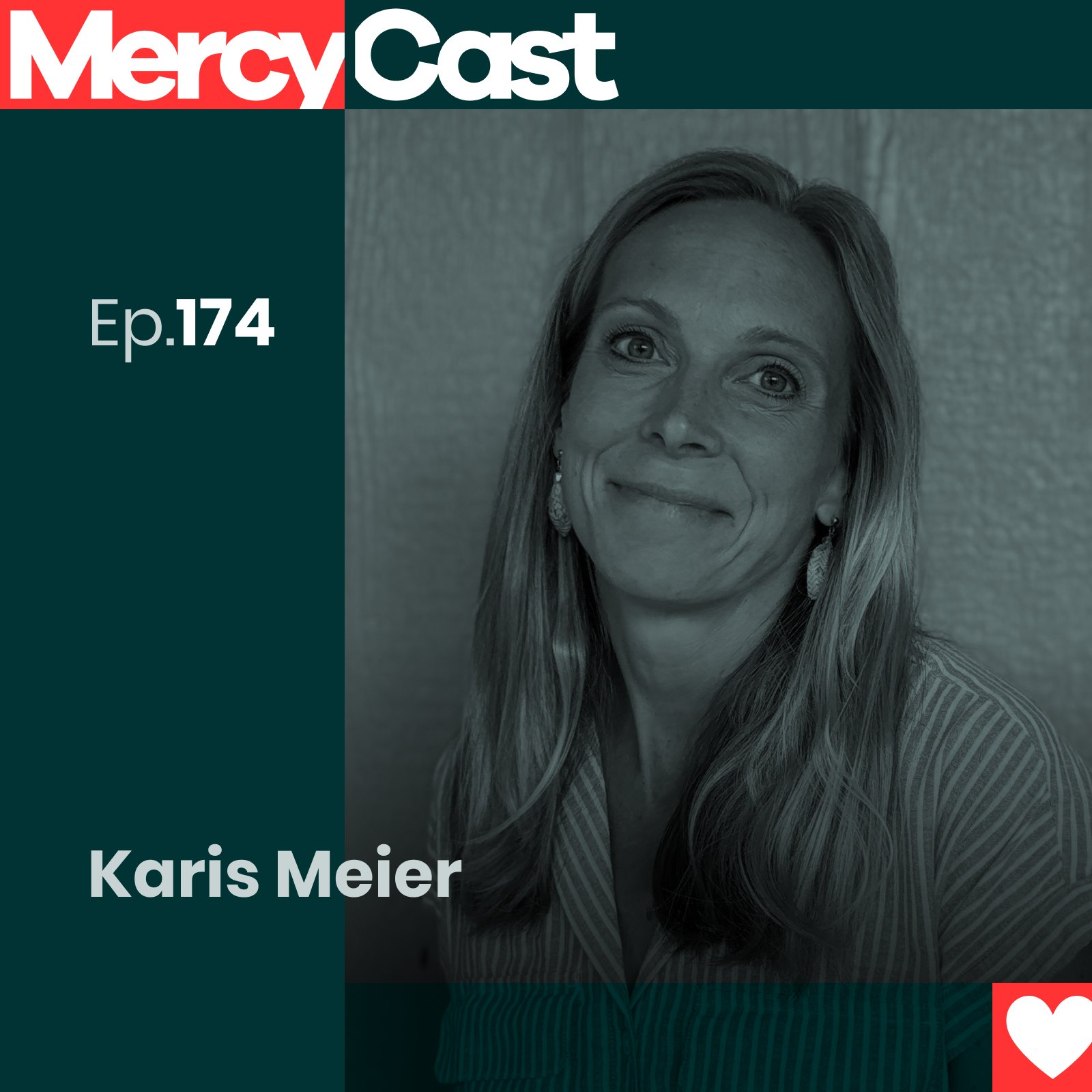
Ep. 174: Karis Meier on redeeming suffering.
Karis Meier joins Raleigh Sadler on The MercyCast to discuss chronic illness, suffering, unanswered prayer, faith, and finding hope when pain doesn’t go away. Discover how trusting God, embracing community, and walking with Jesus daily can help us face suffering with courage, compassion, and confidence.
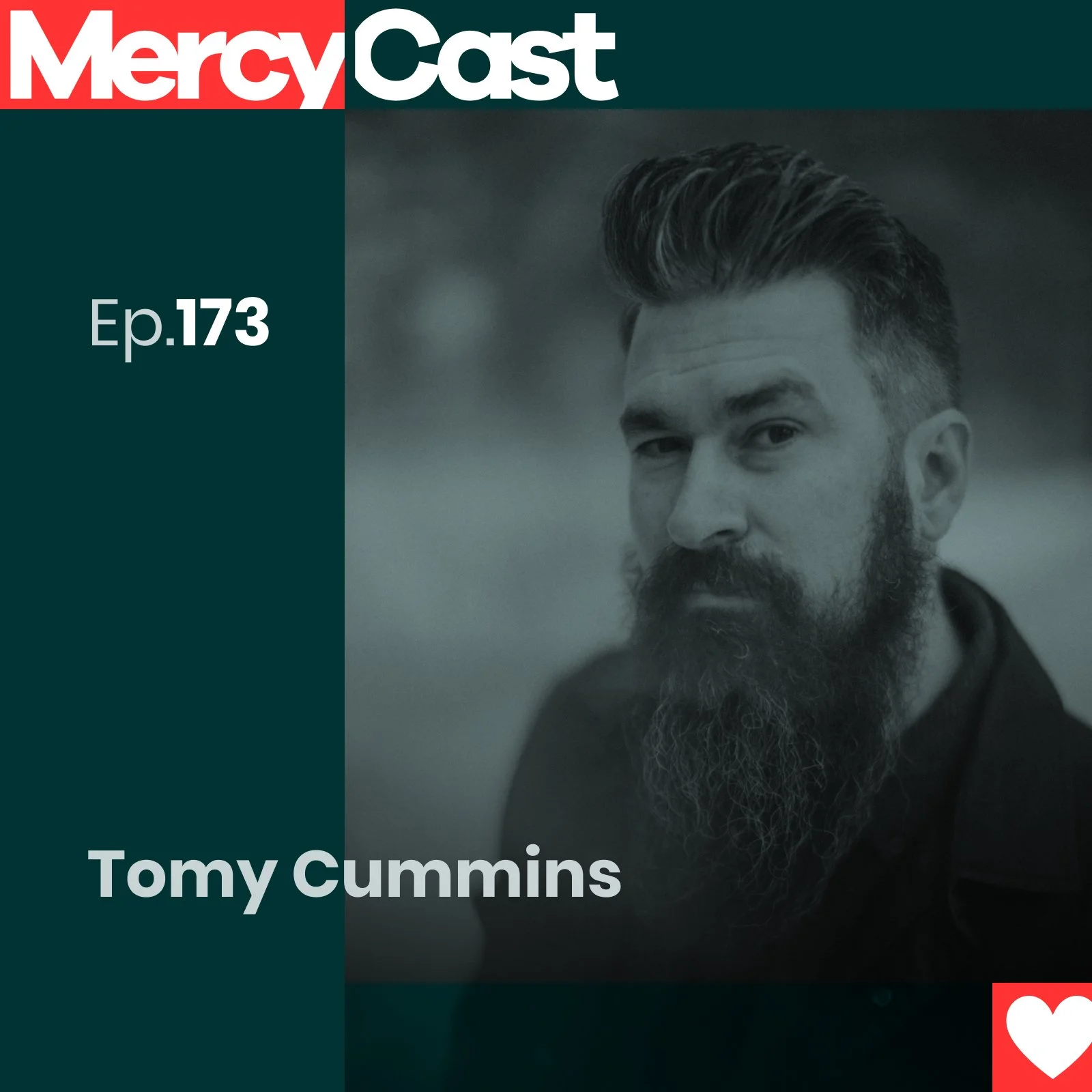
Ep. 173: Tomy Cummins on being a shepherd of the mind.
Tomy Cummins joins Raleigh Sadler on The MercyCast to discuss mental health, trauma, emotional health, and caring for people through suffering. Discover how faith, healthy boundaries, community, and compassionate listening can help create safe spaces where people feel seen, supported, and never alone.
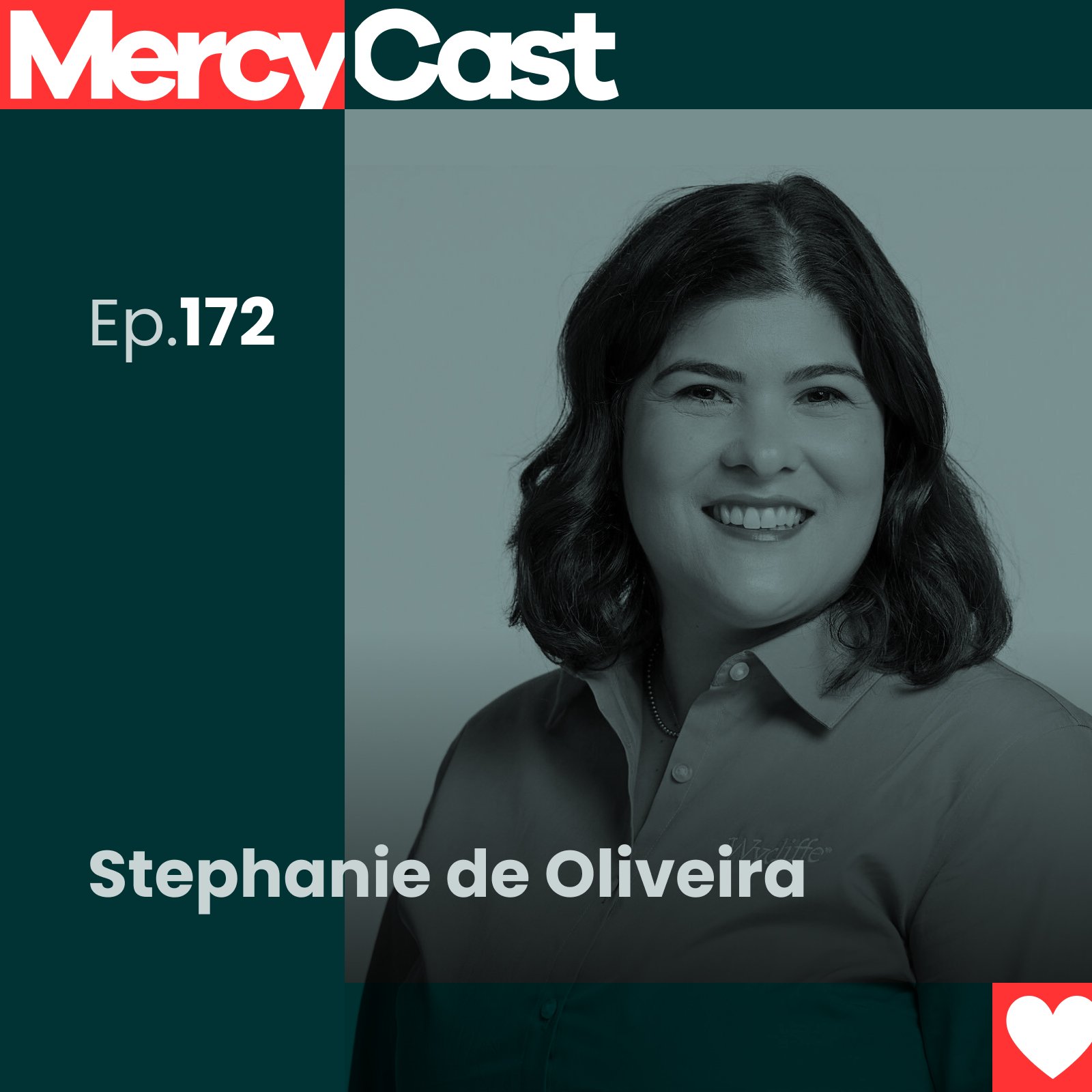
Ep. 172: Stephanie de Oliveira on bringing transformation through Bible translation.
What if the Bible didn’t exist in a language you could understand? On The MercyCast, Raleigh Sadler and Stephanie de Oliveira of Wycliffe Bible Translators explore the global mission of Bible translation, reaching unreached language communities, and the Church’s role in sharing Scripture. Discover how prayer, giving, advocacy, and missions can help make God’s Word accessible to every nation.
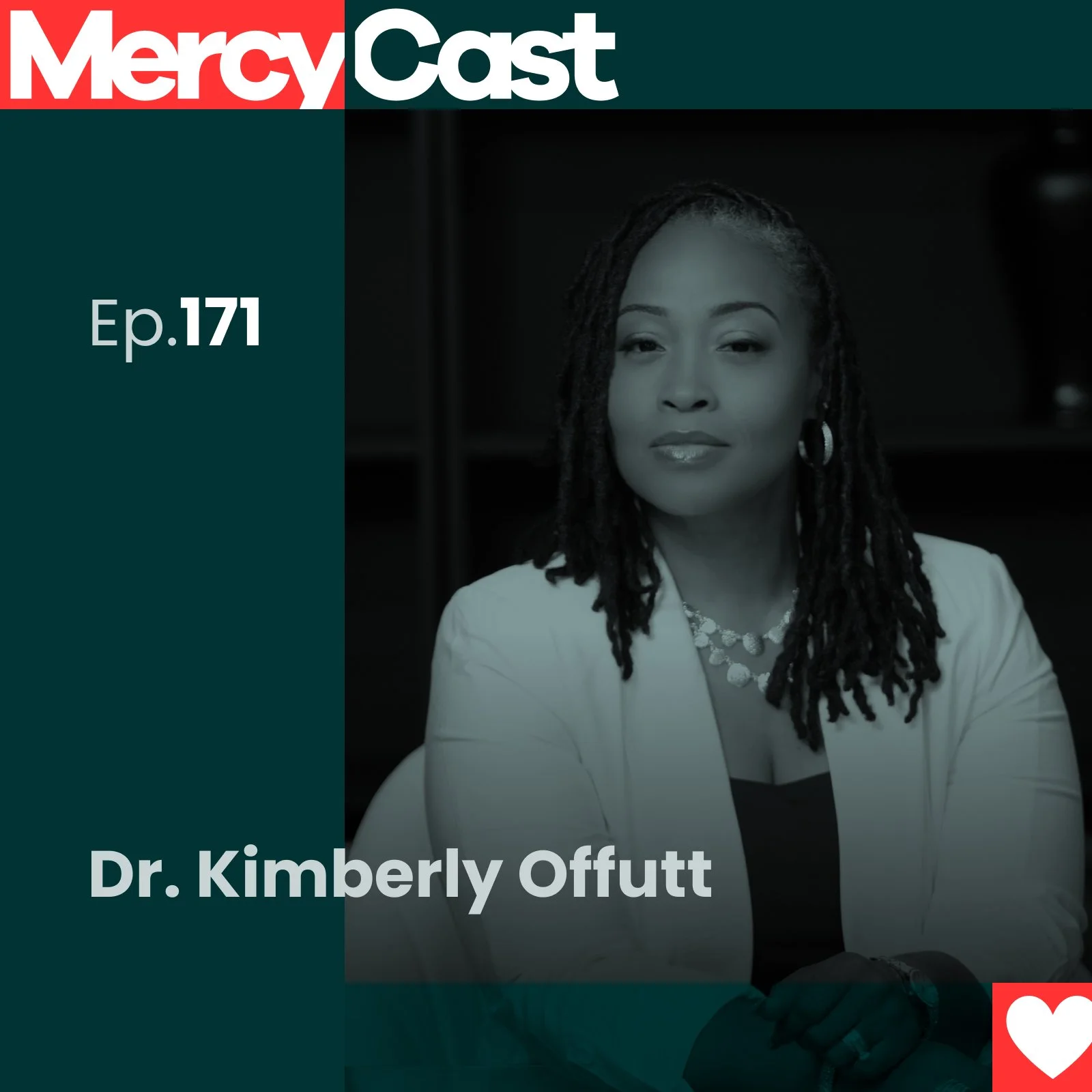
Ep. 171: Dr. Kimberly Offutt on empowering through foster care.
What happens when young adults age out of foster care with no family to call? In this episode of The Mercy Cast, Raleigh Sadler and Dr. Kimberly Offutt discuss foster care, adoption, mentoring, and how the Church can help vulnerable children find belonging. Discover why one caring adult can change a life—and how your simple "yes" can make an eternal impact.
Ep. 170: Amy Lowe on reconnecting through nature.
Amy Lowe joins Raleigh Sadler on The Mercy Cast to explore kids, screen time, smartphones, anxiety, and Christian parenting in a distracted world. Discover how unplugging from technology can help families reconnect with God, nature, and each other—and practical ways to build healthier rhythms of faith, presence, and connection.
Ep. 169: James Barnett on trusting God’s plan in transition.
James Barnett shares his journey from business leadership to CEO of Come and See, the ministry bringing The Chosen to 600 languages. Discover how faith, God's timing, and powerful storytelling are helping share the Gospel worldwide and inspiring believers to trust God's plan.
Ep. 168: Aaron Caid on faith-based financial stewardship.
How does money shape your faith, anxiety, and relationships? On this episode of MercyCast, Raleigh Sadler talks with Aaron Caid of Adelphi Christian Banking about financial literacy, biblical stewardship, generosity, and overcoming scarcity mindsets. Discover practical wisdom for managing money, reducing financial stress, and using your resources to serve God and love your neighbor.
Ep. 167: Luke Kjolhaug on disrupting fear.
What if fear isn’t a failure of faith? In this powerful MercyCast conversation, Raleigh Sadler sits down with pastor and author Luke Kjolhaug to explore anxiety, fear, and the gospel. Discover how faith disrupts worry, why “fear not” is a promise—not a shame-filled command—and how Christians can find hope, courage, and peace in the midst of life’s deepest fears.
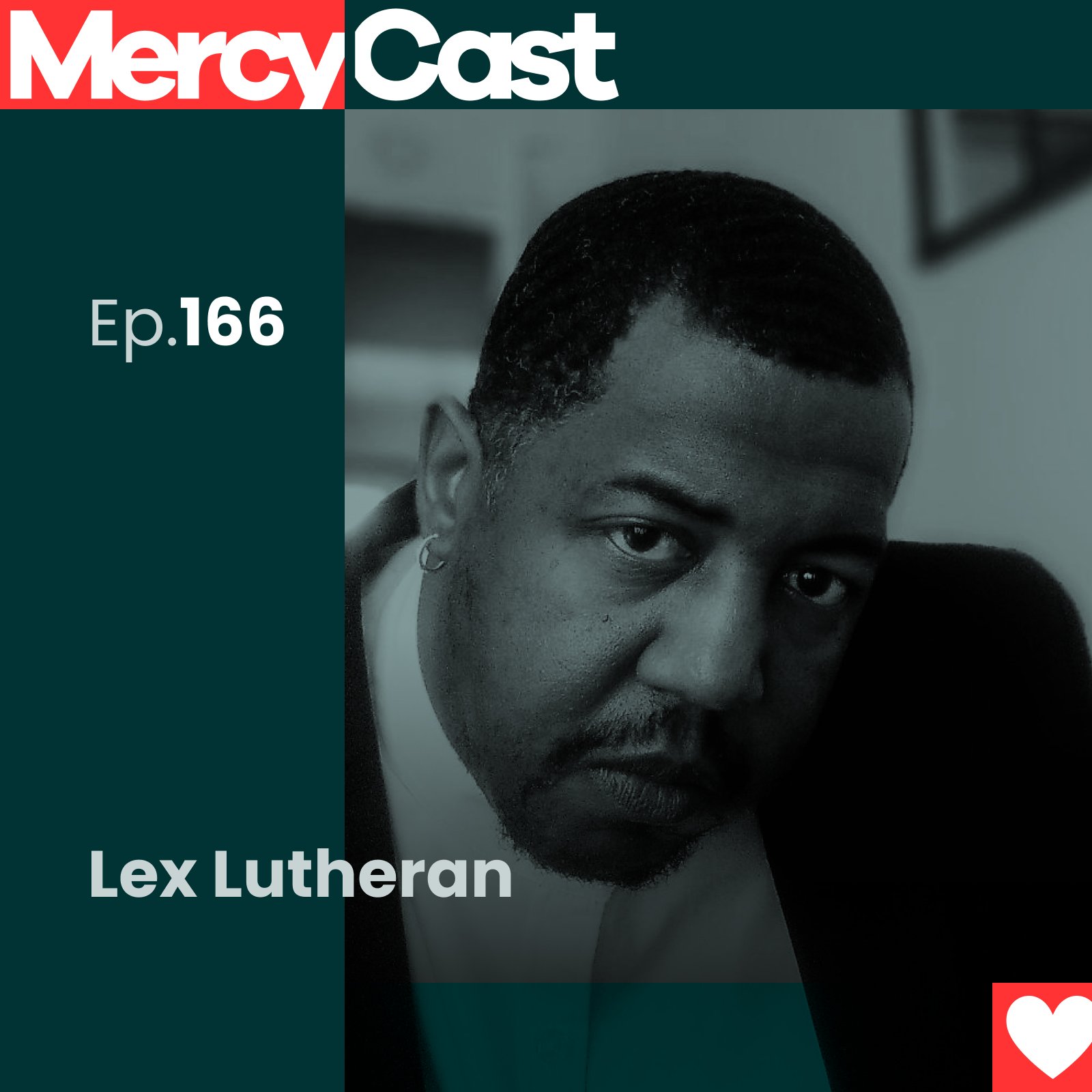
Ep. 166: Lex Lutheran on faith in a noisy culture.
In this episode of The MercyCast, Raleigh Sadler sits down with Lex Lutheran to discuss grace, authenticity, Christian discipleship, and the freedom found in the gospel. Together they explore Lutheran theology, the law and gospel distinction, perfectionism, homelessness, ministry in Las Vegas, and why Jesus meets us in our brokenness. A powerful conversation on faith, identity, and God's transforming grace.
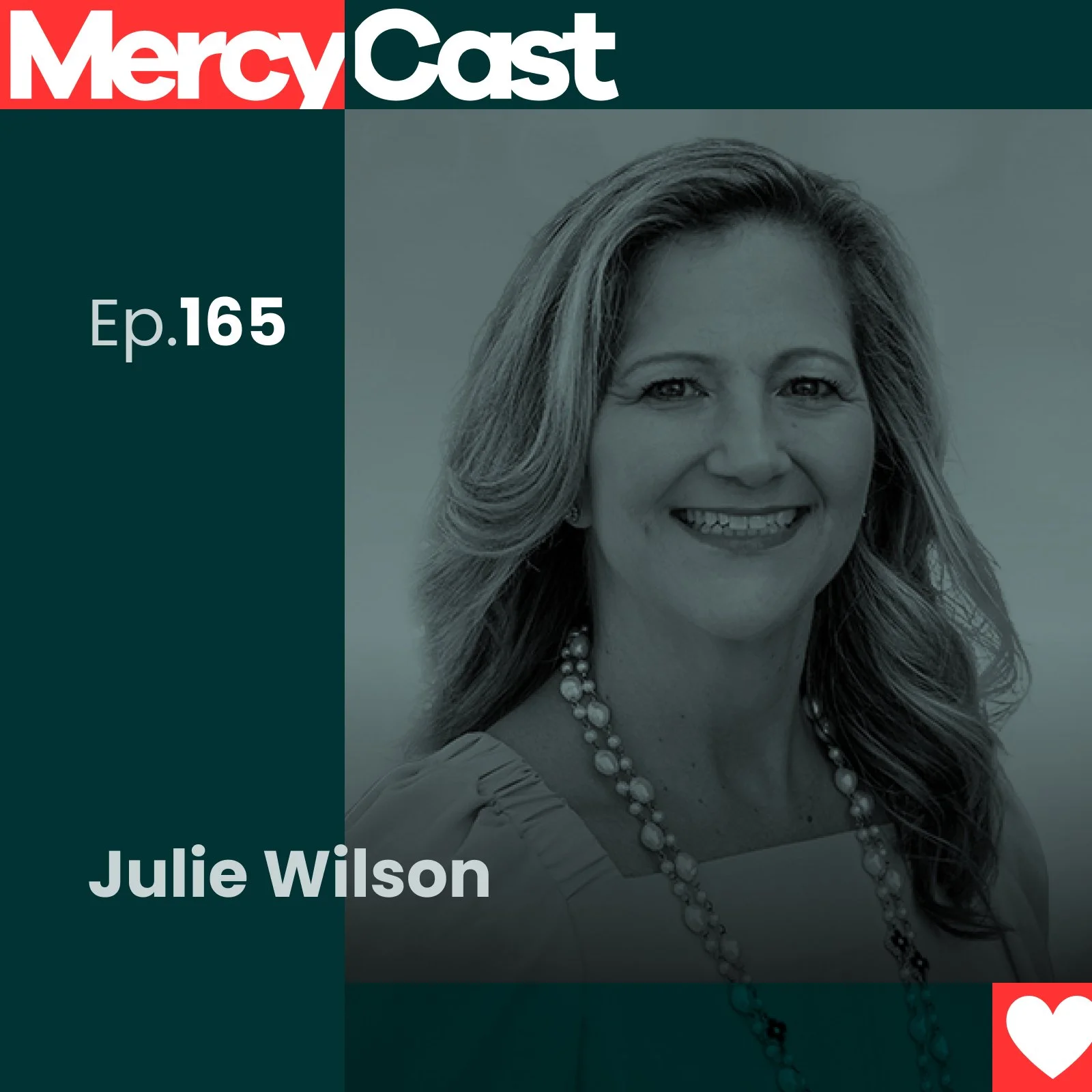
Ep. 165: Julie Wilson on the power of intentional giving.
In this episode of MercyCast, Raleigh Sadler interviews Julie Wilson, CEO of Women Doing Well, about Christian generosity, biblical stewardship, women and wealth, faith-based giving, and the Great Wealth Transfer. Julie shares how overcoming burnout led to purpose, how women are shaping philanthropy and charitable giving, and why generosity is a spiritual practice that transforms lives, families, ministries, and communities.
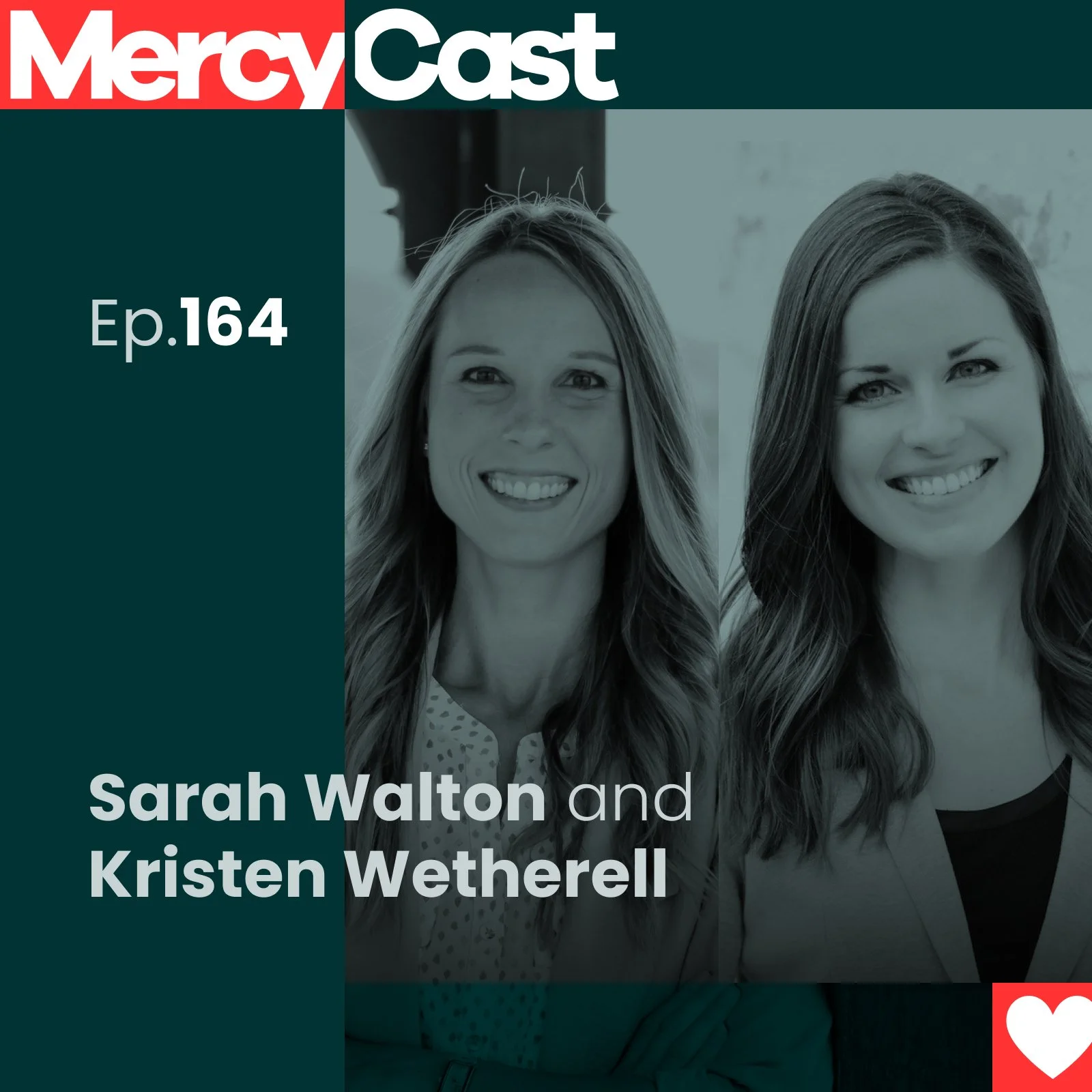
Ep. 164: Sarah Walton and Kristen Wetherell on finding God in the midst of suffering.
What do you do when the prayers keep coming, but the pain remains? In this MercyCast episode, Kristen Weatherall and Sarah Walton discuss chronic illness, family crises, unanswered prayers, and the long seasons of suffering that test faith. Discover how Jesus meets us in weakness, sustains us through doubt, and offers hope that reaches beyond present circumstances.
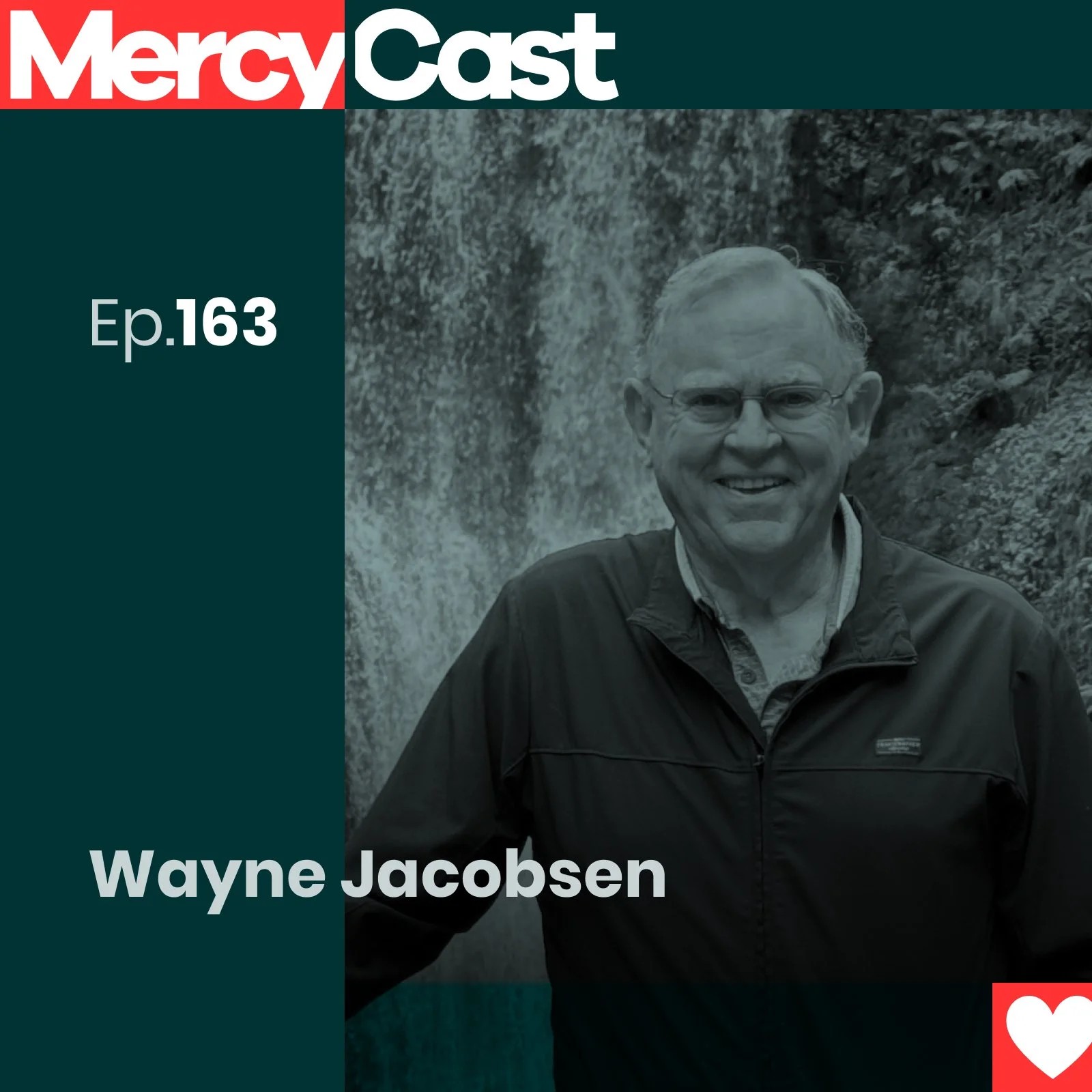
Ep. 163: Wayne Jacobsen on love beyond performance.
In this MercyCast episode with Raleigh Sadler, author Wayne Jacobsen shares how suffering stripped away performance-based faith and revealed a deeper reality: God’s love meets us in the middle of pain, not just after it ends. Discover how living as God’s beloved transforms relationships, healing, justice, discipleship, and everyday compassion. A powerful conversation on grace, presence, trauma, faith, and learning to love from fullness rather than striving.
Ep. 162: Callie Priest on how the church can impact foster care.
In this MercyCast episode, Raleigh Sadler interviews Callie Priest of WinShape Homes about foster care, adoption, trauma-informed care, vulnerable children, and church engagement. Learn how foster families, local churches, and community support can create belonging, healing, and stability for children in crisis while living out the gospel through practical compassion and service.
Ep. 161: Rachelle Starr on healing father wounds.
In this powerful episode of the MercyCast, Rachelle Starr joins Raleigh Sadler to discuss human trafficking, father wounds, online exploitation, healing, faith, and the mission of Scarlet Hope. From trauma and burnout to redemption and identity, this conversation explores how mercy, presence, and God’s love can transform lives in the darkest places.
Ep. 160: Daniel Penovich on the hidden art of hospitality.
In this Mercycast podcast episode, Raleigh Sadler talks with Daniel Penovich of Koko Japanese Pub in Cocoa Beach about servant leadership, creativity, hospitality, faith, and authentic community. From Japanese cuisine and Space Coast culture to faith in business and creative entrepreneurship, this conversation explores how meaningful work and genuine connection can transform lives.
Ep. 159: John Plake on how data, disruption, culture, and scripture come together.
In this episode of the MercyCast, Raleigh Sadler sits down with John Plake, Chief innovation Officer of the American Bible Society to discuss faith, Bible engagement, church leadership, spiritual growth, and why millions are turning back to Scripture during seasons of disruption, grief, burnout, and uncertainty.
Ep. 158: Genee Francis on staying connected in relationships.
On this episode of the MercyCast, Genee Francis, Assistant Director for Content and Programming at WinShape Marriage, talks about marriage, connection, and the slow drift that can happen in long-term relationships. We explore practical ways to strengthen communication, build healthy rhythms, navigate conflict, and pursue lasting connection through faith, intentionality, and shared purpose.
Ep. 157: Brigitte Shipman on letting go.
In this episode of the MercyCast, I talk with autism advocate and author Brigitte Shipman about caregiving, grief, mental health, self-compassion, and learning to let go. We explore burnout, gratitude, emotional healing, and how pain can shape us into more compassionate guides for others.
Ep. 156: Rebecca Taguma on healing wounds of the heart.
What do you do with pain you can’t fix? In this MercyCast episode, I talk with Rebecca Taguma of the American Bible Society about trauma, healing, and faith. Discover how Scripture meets suffering, why community matters, and how real hope begins in our deepest wounds.
Ep. 155: Brendan McClenahan on loneliness, connection, and creation care.
Creation care meets discipleship in this episode of the MercyCast with Brendan McClenahan of Plant With Purpose. Discover how faith, community, and simple practices like composting can restore lives and neighborhoods. Explore embodied Christianity, environmental stewardship, and the path to deeper connection with God and others.